
Mastering the Art of Traditional Indian Attire Tips

Traditional Indian wear is a vibrant tapestry of culture, history, and artistry. Every thread tells a story, every drape sings a melody of heritage. When I first embraced traditional Indian attire, I discovered a world where elegance meets comfort, and every outfit becomes a celebration. Whether it’s a festive occasion, a wedding, or a casual gathering, mastering the art of traditional Indian wear transforms dressing into an experience filled with joy and pride.
Embracing the Essence: Traditional Indian Attire Tips
The beauty of traditional Indian clothing lies in its diversity and richness. From the flowing sarees of Bengal to the regal sherwanis of Rajasthan, each region offers unique styles and fabrics. To truly master this art, start by understanding the basics:
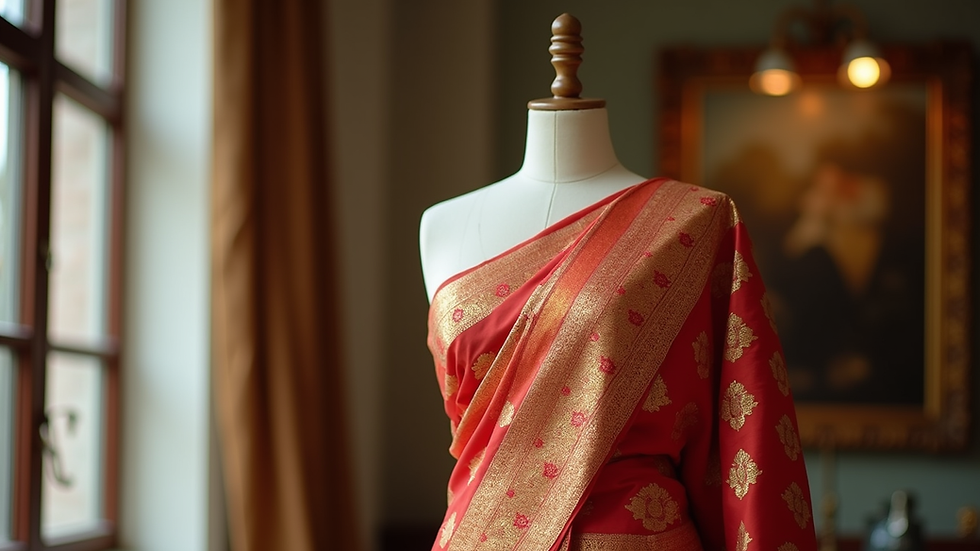
Fabric choice matters: Silk, cotton, chiffon, georgette, and brocade each bring a different feel and look. Silk sarees like Kanjeevaram or Banarasi are perfect for grand occasions, while cotton kurtas offer comfort for daily wear.
Colour speaks volumes: Bright reds, deep blues, and vibrant yellows are often associated with celebrations. Pastels and earthy tones work well for subtle elegance.
Accessorize wisely: Traditional jewelry like jhumkas, bangles, and maang tikka enhance the outfit without overpowering it.
I always recommend starting with a classic saree or a well-fitted kurta-pajama set. These staples form the foundation of your traditional wardrobe and can be styled in countless ways.

The Magic of Draping and Styling
Draping a saree is an art in itself. It’s not just about wrapping fabric around the body; it’s about creating a silhouette that flatters and tells a story. Here are some tips to perfect your drape:
Practice different styles: The Nivi drape is the most common, but try the Bengali, Gujarati, or Maharashtrian styles for variety.
Use pins discreetly: Secure the pleats and pallu with small pins to keep everything in place without ruining the flow.
Pair with the right blouse: Experiment with sleeve lengths, necklines, and back designs to complement your saree.
For men, mastering the fit of a sherwani or kurta is crucial. Tailoring makes all the difference. A well-fitted sherwani paired with a churidar or dhoti can elevate your look instantly.
Fabrics and Embroidery: The Heartbeat of Tradition
The soul of traditional Indian wear lies in its fabrics and intricate embroidery. Each stitch carries the legacy of skilled artisans. When choosing your outfit, pay attention to:
Handloom fabrics: These are not just textiles but stories woven by hand. Look for authentic Banarasi, Chikankari, or Patola fabrics.
Embroidery styles: Zardozi, mirror work, gota patti, and kantha embroidery add texture and depth.
Comfort and occasion: Heavily embroidered outfits are perfect for weddings, while lighter fabrics suit casual or semi-formal events.
I often explore collections on be4mestore to find beautifully curated pieces that blend tradition with modern aesthetics. Their range offers something for everyone, making it easier to find the perfect outfit for any occasion.

Accessorizing: The Finishing Touch
No traditional outfit is complete without the right accessories. They add sparkle, personality, and a touch of glamour. Here’s how to accessorize like a pro:
Jewelry: Choose statement pieces like a heavy necklace or chandelier earrings for weddings. For everyday wear, opt for delicate studs or bangles.
Footwear: Mojaris and juttis are comfortable and stylish. Match the color and embroidery with your outfit.
Bags and clutches: Embellished clutches or potli bags complement traditional wear beautifully.
Hairstyles and makeup: A neat bun adorned with fresh flowers or a braid with hair accessories enhances the traditional look.
Remember, balance is key. If your outfit is heavily embroidered, keep accessories minimal. If your attire is simple, go bold with jewelry.
Celebrating Every Occasion with Style
Traditional Indian wear is versatile. It adapts beautifully to every occasion, from casual gatherings to grand celebrations. Here’s how to choose the right outfit:
Festivals: Bright colours and comfortable fabrics like cotton or silk blends work best. Add minimal jewelry for a fresh look.
Weddings: Go for rich fabrics, heavy embroidery, and layered jewelry. Don’t shy away from experimenting with colours beyond red and gold.
Formal events: Elegant sarees or anarkalis in pastel shades with subtle embellishments create a sophisticated vibe.
Casual outings: Simple kurtas with jeans or palazzos offer a chic yet traditional look.
By mastering these nuances, you can confidently wear traditional Indian attire that suits the mood and occasion perfectly.
Your Journey to Timeless Elegance
Mastering traditional Indian wear is a journey of discovery and delight. It’s about embracing heritage while expressing your unique style. With the right knowledge, practice, and a little help from trusted sources like be4mestore, you can build a wardrobe that honors tradition and celebrates you.
Dive into the world of colours, fabrics, and craftsmanship. Experiment with drapes, mix and match accessories, and most importantly, wear your outfit with pride. Traditional Indian attire is not just clothing - it’s a celebration of identity, culture, and timeless elegance.

Step into this vibrant world and let your traditional Indian attire tell your story with every thread and fold.


Comments